
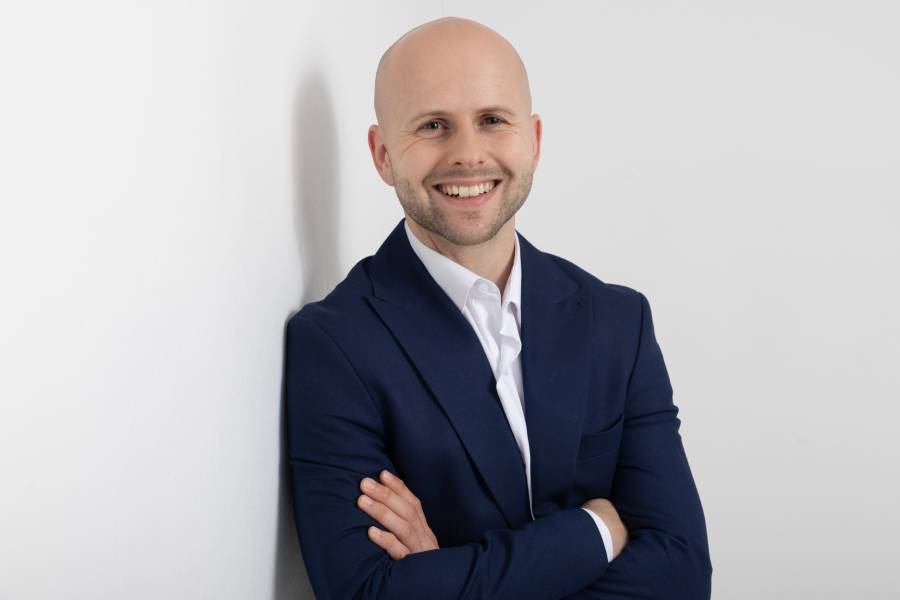
Robin Jannis Mai, LL.B., is an attorney at law at horak Rechtsanwälte. His practice includes intellectual property, technology, IT, copyright and media law, together with related contractual questions. He represents clients before the Unified Patent Court. His legal education includes a Bachelor of Laws in IT and intellectual property law, providing a relevant foundation for matters involving both technical products and digital functions.
Education and professional background
He studied law at Leibniz University Hannover and attended the International Summer School in IT Law in 2019. His studies also included Aristotle University of Thessaloniki in 2019–2020. He obtained his bachelor’s degree in 2021 and completed the first state examination in 2023 and the second in 2026. His legal traineeship included placements with the Lower Saxony media authority, Göhmann and the ARD legal editorial team. He joined horak Rechtsanwälte as an attorney in 2026. His working languages include German and English.
Connecting the product and the legal issue
A technology dispute may involve patents, software rights, licences and the documents explaining how a product works. The first task is to identify the particular question rather than treating every intellectual-property issue as interchangeable. The firm can coordinate legal analysis with technical input from its patent attorneys and the client’s development team.
The following hypothetical examples describe possible tasks in that coordinated work. They do not describe Robin Jannis Mai’s past cases or promise a litigation result.
1. A connected product receives a patent allegation
The initial review identifies the accused product version, the patent and the relevant correspondence. It organises the documents needed to separate the technical allegation from questions about the accompanying software licence.
2. A licence uses inconsistent product descriptions
A hardware schedule and a software schedule describe different versions of the same product. The drafting review identifies the mismatch and seeks a consistent definition before the parties rely on the agreed scope of use.
3. Technical evidence includes software documentation
A team needs to explain a product’s operation. Relevant manuals, version information and development records are organised so that factual assumptions can be checked with the engineers rather than inferred from marketing descriptions.
4. A settlement must cover digital updates
The parties discuss continued sales after a dispute. The agreement needs clear treatment of the defined products and later updates, together with the intended use of the relevant intellectual property.
For an initial enquiry, identify the parties, the technology and any response deadline. Please reserve confidential technical documents for an agreed exchange after conflicts and the scope of the engagement have been addressed.